

The world of play is getting inundated with tech. New smart toys and edutainment apps are hitting the market at an unprecedented rate. And many of these promise to revolutionize playtime and infuse it with “purpose”, harping on the anxieties of parents who want their children to succeed in todays competitive world. But is this the revolution playtime needs? A researcher at the University of Michigan doesn’t think so and lays out a solid argument for why digitally augmented play time may not be as good as developers and toy makers like to claim. And at the core of her argument are the undeniable benefits of unstructured play.
Not all playtime is equal. Unstructured play enables children to play and explore at will. It engages them in a way that encourages creativity, builds organic peer-to-peer communication skills, instills self sufficiency and resilience, and builds confidence. It puts them in a situation where they have full autonomy, which is exactly what they need in order to start learning about themselves and building their unique view of the world. Edutainment apps and smart toys on the other hand, enable guided play within their designed frameworks. They are in their nature as designed tools, guided by rules and regulations imposed on them by their creators. And this fact

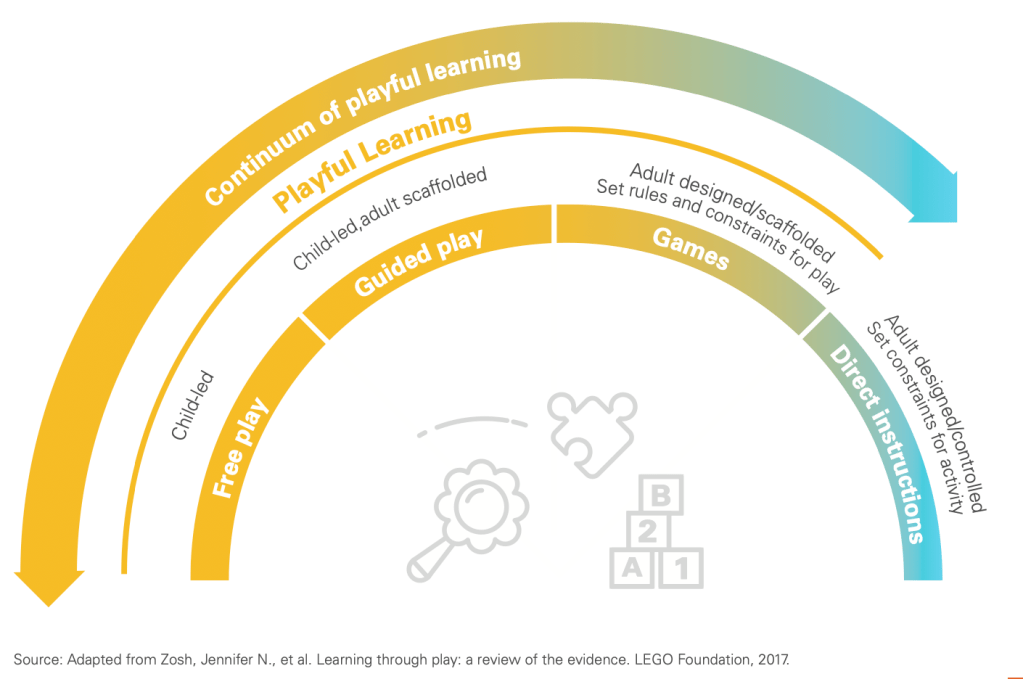
This isn’t to say that but edutainment isn’t well suited for some kinds of play. Technology has opened up new avenues of play that weren’t available before, allowing a wider range of academic content to be delivered through every mode you can imagine. But technology can’t solve every problem and we shouldn’t turn our nose on traditional methods. Technology isn’t even entirely to blame here. This might be a situation where our values need to be checked first. This is however, saying that edutainment time shouldn’t be eating into free play time. Parents and teachers should be mindful of the kinds of play they make room for I order to get all the benefits that play can offer.
 Ludi Studio